
Exploring Art and Culture's Impact
I hope you enjoyed learning about Helen Frankenthaler.
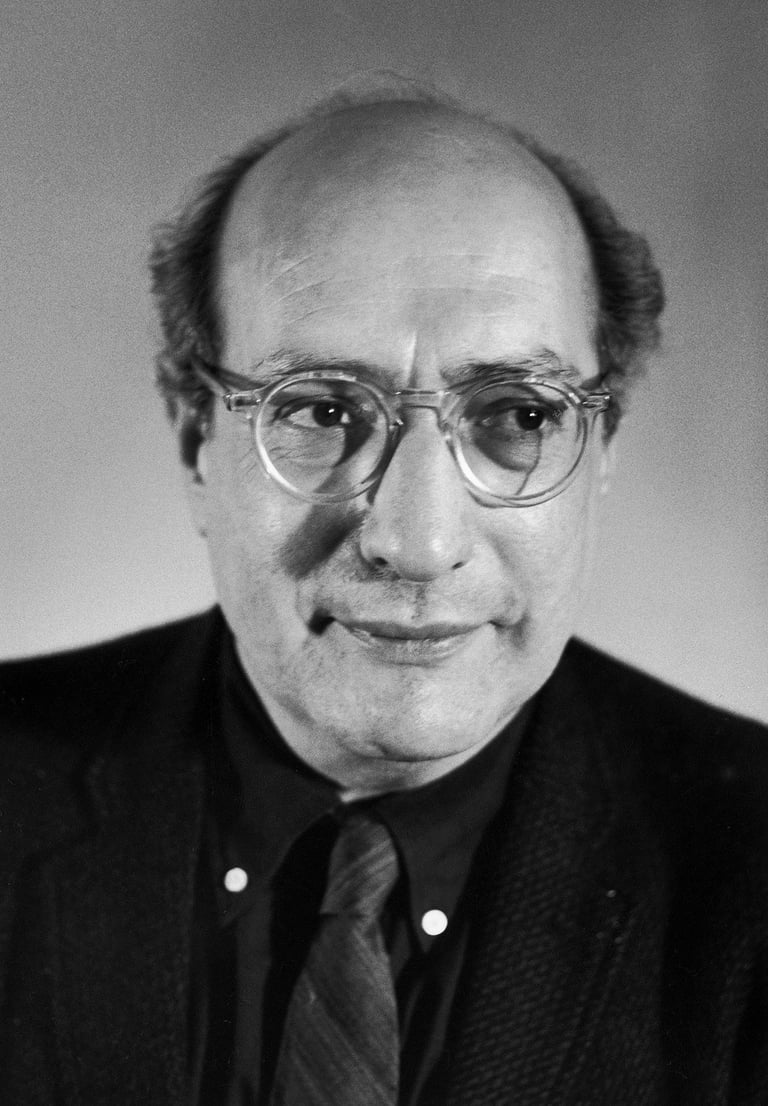
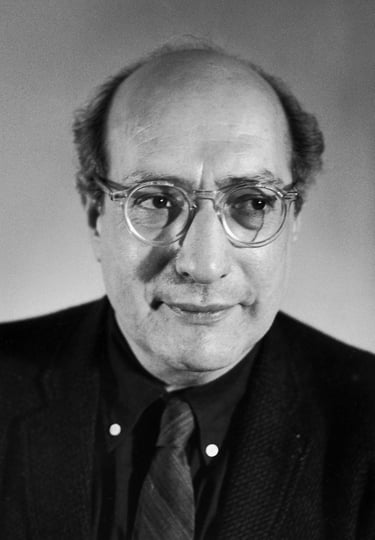
Now we step into the quiet, almost sacred world of Mark Rothko…an artist who didn’t just paint pictures — he created experiences.
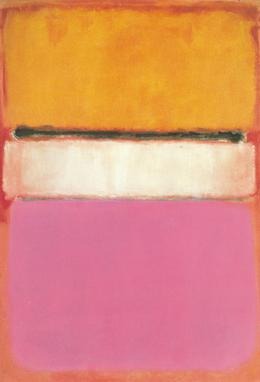
Mark Rothko was a central figure in the rise of Color Field painting, but what he was really chasing wasn’t style… it was emotion. He believed art should communicate the deepest human feelings: tragedy, ecstasy, doom, hope — the stuff you feel in your chest, not just see with your eyes.
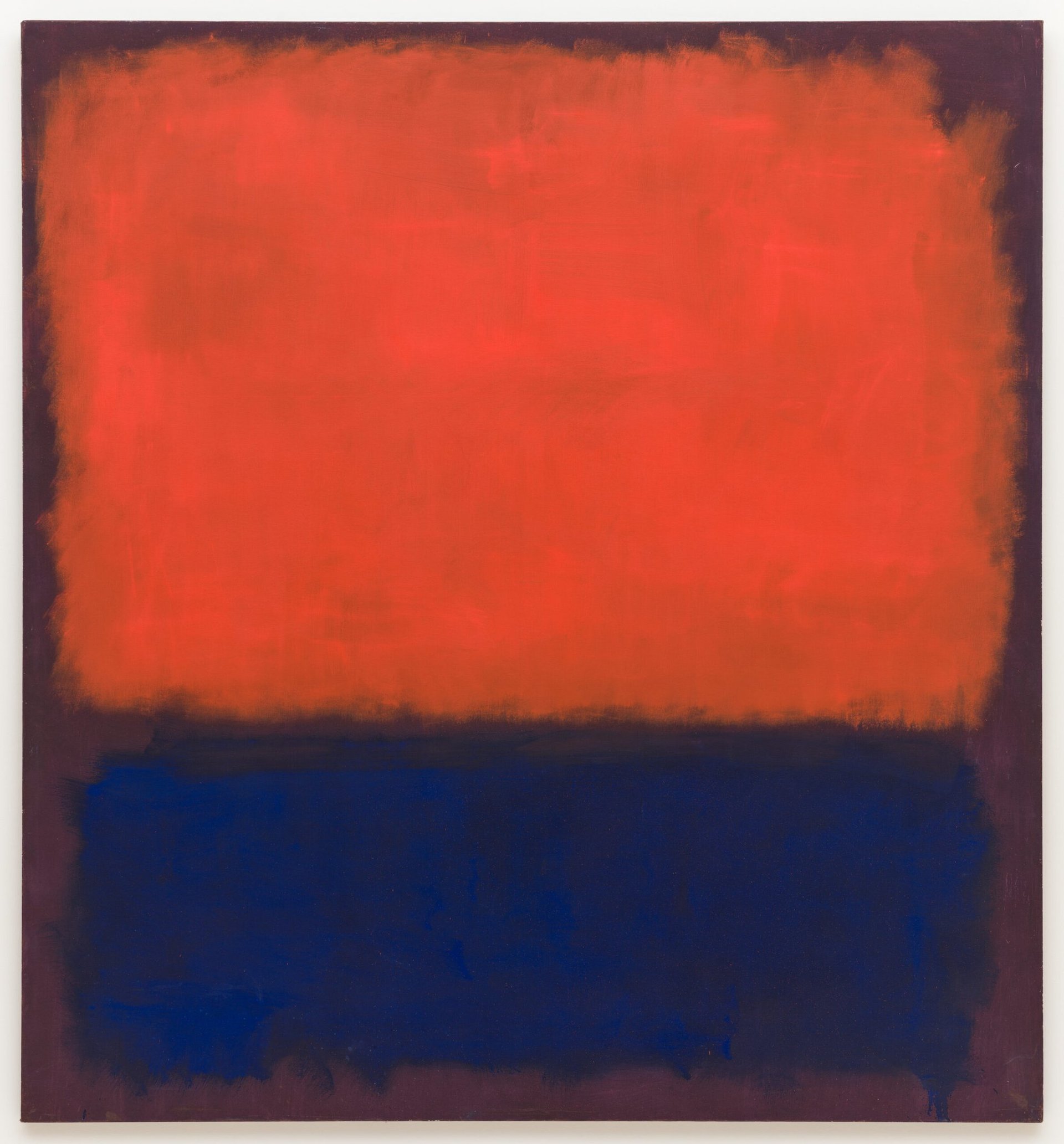
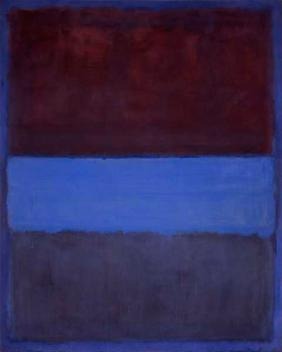
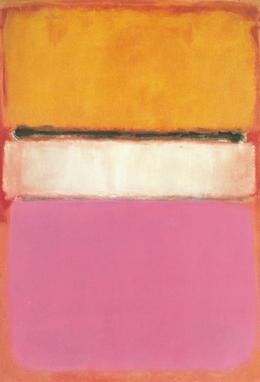
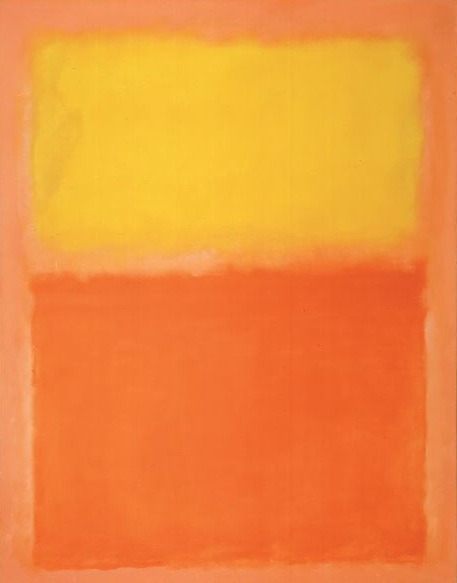
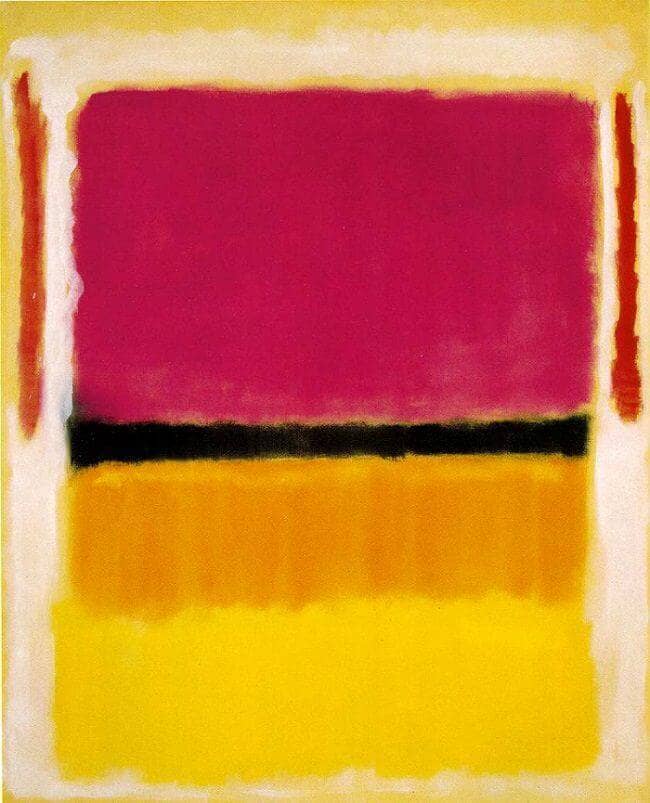
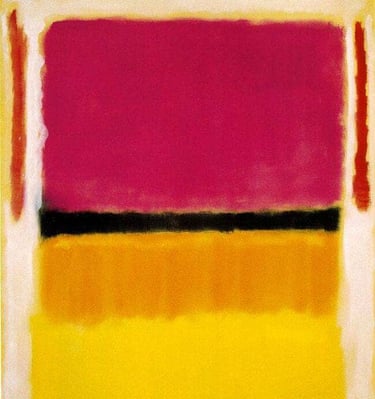
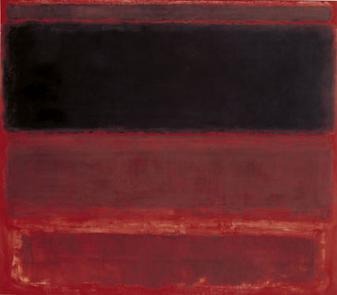
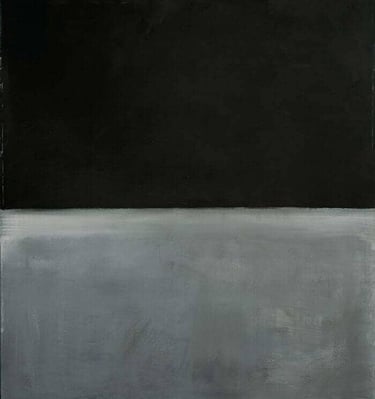
In the late 1940s, Rothko abandoned traditional subjects entirely. No figures. No landscapes. No stories. Instead, he developed his signature format: massive canvases filled with soft-edged rectangles of hovering color. Reds floating over maroon. Black dissolving into violet. Orange glowing like a sunset you can’t quite describe.
At first glance they look simple.
They are not simple.
Rothko layered dozens of thin washes of pigment, building color slowly so it seemed to breathe. He wanted viewers to stand close — almost uncomfortably close — so the painting would fill your vision. The goal wasn’t decoration. It was immersion. Many people report feeling calm, overwhelmed, or even crying in front of his work.
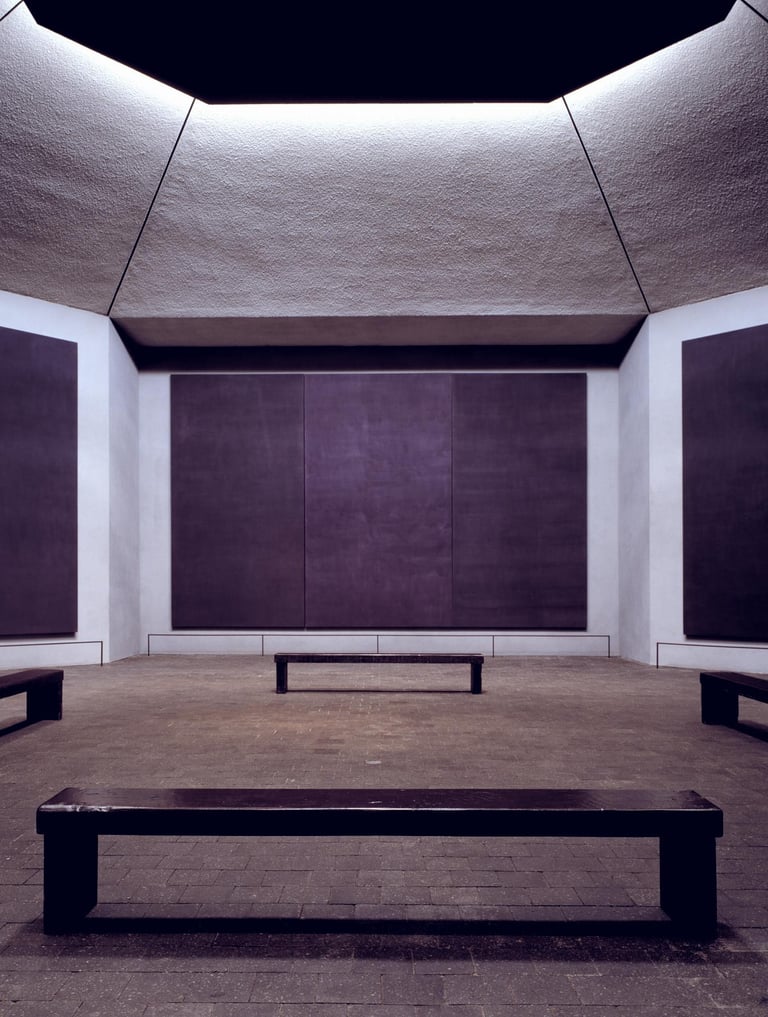
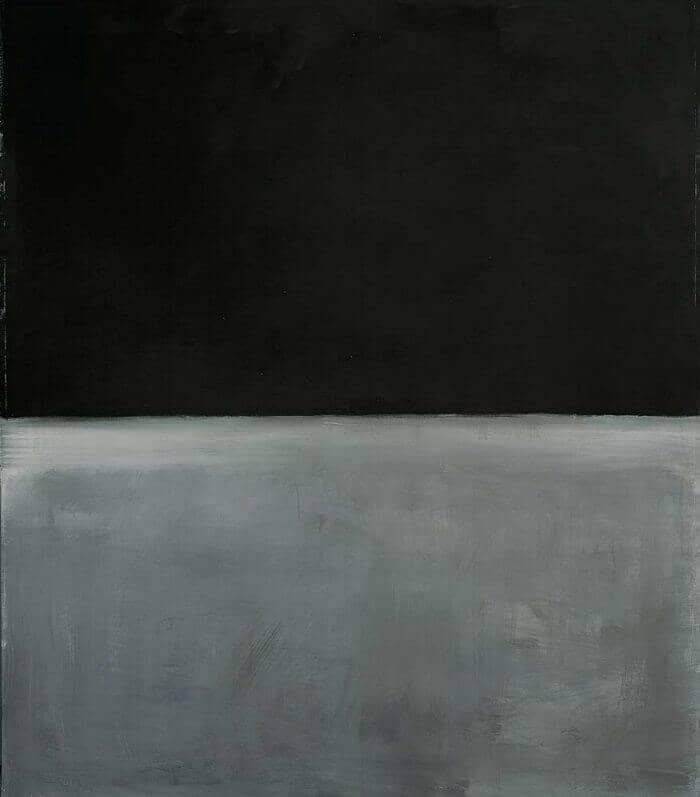
His 1950s paintings radiate warmth and light, but by the late 1960s his palette darkened dramatically — deep burgundies, browns, and near-black surfaces. These culminated in the Rothko Chapel in Houston, a space designed not as a gallery, but as a place for meditation and reflection. No labels. No explanations. Just you and the color.
Unlike the explosive gestures of Abstract Expressionists like Pollock or de Kooning, Rothko’s power was quiet. He slowed painting down. He asked viewers to slow down too.
He wasn’t interested in fame, trends, or critics’ theories. In fact, he rejected the idea that his work was merely “abstract.” To him, the paintings were human — they were about life and death, loneliness and connection.
Over four decades, Rothko refined a visual language that proved a radical idea: a painting doesn’t need an image to move you. Sometimes color alone can hold memory, grief, peace, and awe all at once.
Visionary?
Not just that.
Rothko showed that a canvas could function almost like music — something you don’t interpret, you feel.
Art & Culture
Exploring the impact of art and culture on everyday life.
Art and culture profoundly shape our daily experiences, enriching our lives and inspiring creativity. Art calls us to imagine possibilities in what has not been created.
Karen Renae
I hope you enjoy the journey and I look forward to seeing you here!
Contact
© 2025. All rights reserved.